

How can diet and lifestyle changes help you with PCOS?
Perhaps you’ve been to see your GP and have received a diagnosis of PCOS or maybe you’ve done some research and discovered that you have many of the symptoms of PCOS. No doubt you’ve read or been told that diet and lifestyle changes are important with this condition.
But what happens now?
This seems to be where guidance from the doctor suddenly falls away for many women and they turn to Google. However, online searches are often confusing and overwhelming.
Does any of this sound familiar?
Well, let’s start with an overview or what PCOS is…
PCOS is a hormonal disorder that impacts the functioning of the ovaries and is the most common endocrine disorder in women of reproductive age, affecting up to 20% of females.
To receive a PCOS diagnosis from a doctor they are looking for at least two of the following criteria:
- Irregular or missing periods
- Elevated levels of male hormones (demonstrated through blood testing)
- The appearance of ‘cysts’ (follicles) on the ovaries during an ultrasound
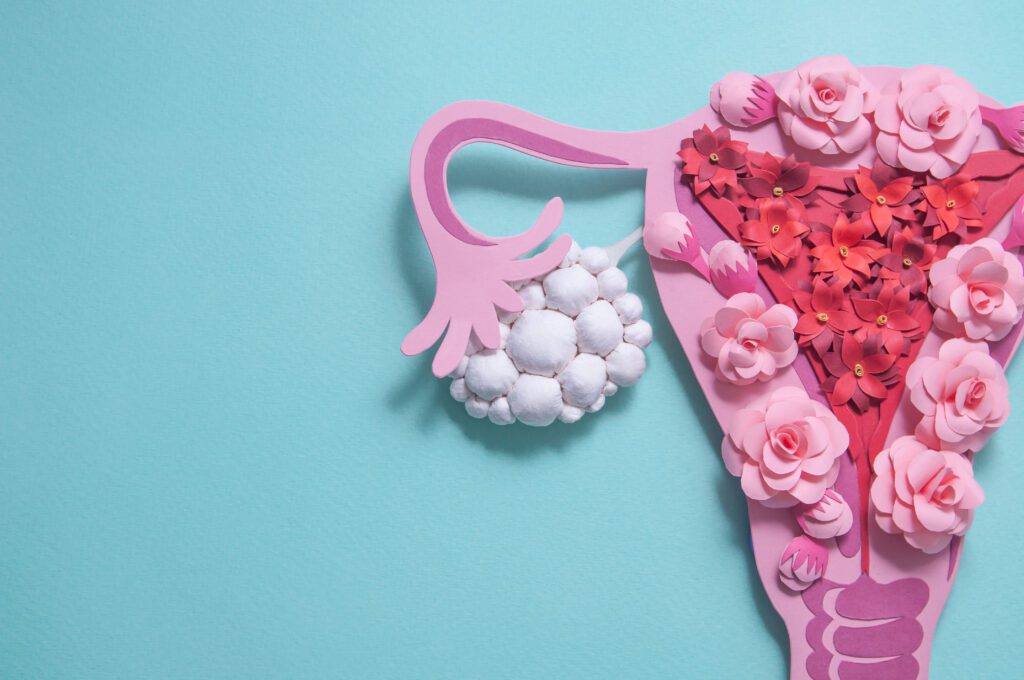
The exact cause of PCOS is unknown but is related to elevated insulin (a hormone produced by the body to help regulate blood sugar levels) and testosterone. There is also a genetic link as PCOS appears to run in families.
Approximately 65-95% of women with PCOS have insulin resistance and this is known to be a major feature of the condition. Insulin resistance occurs when the body’s cells don’t respond to messages from the hormone insulin to allow glucose from food into the cell to burn as energy. As a result, the glucose circulates in the blood stream causing hyperglycaemia (high blood sugar) and inflammation. Insulin resistance can also lead to type 2 diabetes and cardiovascular disease.
Insulin resistance drives the condition, causing increased testosterone and the classic symptoms of PCOS:
- Weight gain (especially around the middle)
- Hirsutism (excess body and facial hair)
- Acne
- Irregular periods
- Fertility issues
- Male-pattern hair loss
However, low mood, anxiety, body image concerns and binge eating disorder are also more common in women with PCOS.
Addressing diet and lifestyle is the first line intervention for PCOS with plenty of research to support its effectiveness. This is because metabolic dysfunction is central to the condition. That means the body’s ability to turn food into energy is disrupted.
1. Balanced Diet: Consuming a balanced diet rich in whole foods such as fruits, vegetables, lean proteins, and whole grains can help regulate blood sugar levels and manage weight, which is crucial for women with PCOS. Avoiding processed foods, sugary snacks, and refined carbohydrates is essential to maintain balanced blood glucose .
2. Low Glycemic Index (GI) Foods: Foods with a low glycemic index cause a slower and more gradual increase in blood sugar levels, which can help manage insulin resistance associated with PCOS. Examples include whole grains, legumes, non-starchy vegetables, and nuts.
3. Regular Exercise: Physical activity is important for weight management, insulin sensitivity, and overall health. Aim for at least 150 minutes of moderate-intensity exercise per week, such as brisk walking, cycling, or swimming.
4. Omega-3 Fatty Acids: Incorporating sources of omega-3 fatty acids, such as fatty fish (salmon, mackerel, sardines), flaxseeds, and walnuts, may help reduce inflammation and improve lipid profiles in women with PCOS.
5. Limiting Caffeine and Alcohol: Excessive caffeine and alcohol consumption can disrupt hormone levels and exacerbate symptoms of PCOS. Limiting intake or opting for decaffeinated beverages and moderate alcohol consumption is advisable.
6. Stress Management: Chronic stress can worsen hormonal imbalances and contribute to symptoms of PCOS. Practicing stress-reduction techniques such as mindfulness, meditation, yoga, or deep breathing exercises can be beneficial.
7. Adequate Sleep: Getting enough quality sleep is essential for hormone regulation and overall health. Aim for 7-9 hours of uninterrupted sleep each night to support hormonal balance and reduce stress levels.
8. Regular Monitoring: Keep in touch with your GP and Registered Nutritionist to help monitor symptoms, adjust treatment plans, and provide necessary support and guidance.
10. Supplements: Some women with PCOS may benefit from certain supplements such as inositol, vitamin D, chromium, magnesium and omega 3 which have been shown to improve insulin sensitivity and menstrual regularity or reduce inflammation. However, it’s essential to consult with a Registered Nutritionist before starting any new supplements.
Whilst dietary and lifestyle interventions can help to address the underlying cause of PCOS and alleviate symptoms, individualized approaches are important as the severity of symptoms and response to interventions can vary from person-to-person. Therefore, working closely with a Registered Nutritionist to develop a personalized treatment plan is crucial.
If you have PCOS and would like personalised support, I offer a free 20-minute discovery call. Book yours here.
